

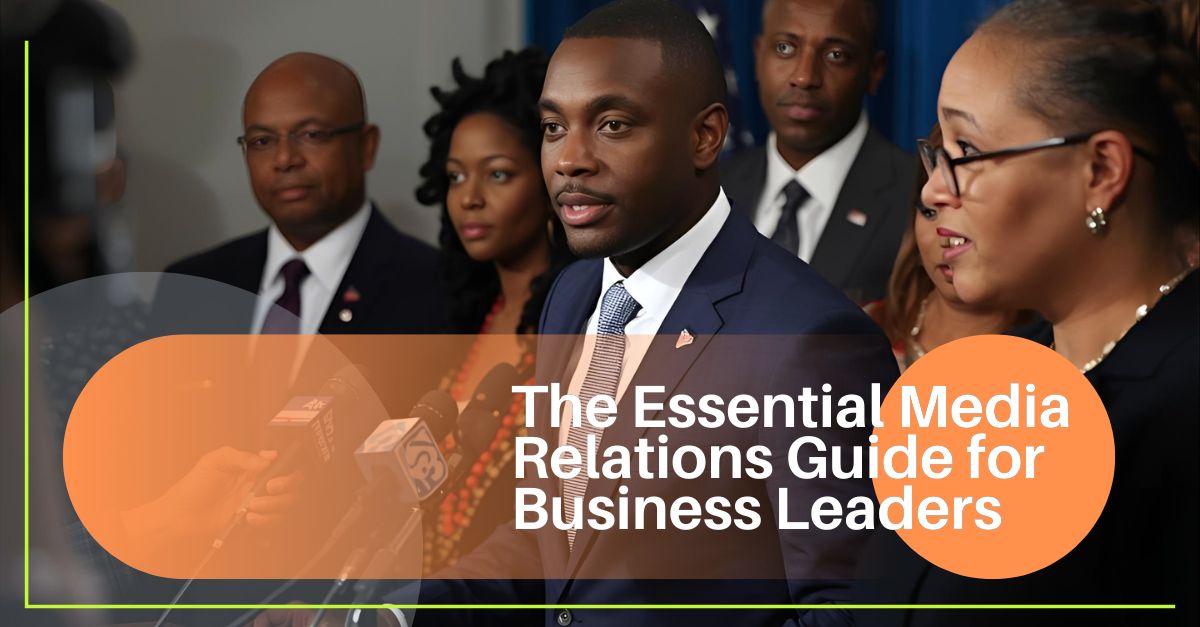
Media relations remains one of the most powerful yet misunderstood tools in the modern marketing arsenal. While social media and digital advertising offer immediate visibility, media coverage provides valuable credibility.
For business leaders and marketing directors, understanding how to leverage media relations strategically can mean the difference between being invisible in your market and becoming the go-to authority in your industry.
This is especially evident when organizations secure coverage across respected national newspapers and television platforms, as seen in our recent campaigns like the Jubaili Bros & Perkins Technical Seminar, which earned visibility across BusinessDay, Channels TV, Premium Times, Punch, and other top-tier outlets.
What is Media Relations?
Media relations is the strategic practice of building and maintaining relationships with journalists, editors, bloggers, and other media professionals to secure positive earned media coverage for your organization. Unlike advertising, where you pay for placement, media relations focuses on earning coverage through newsworthy stories, expert positioning, and valuable insights that serve the journalist’s audience.
The objective goes beyond name recognition. Strategic media relations shapes public perception, builds brand authority, influences key stakeholders, and drives long-term business growth. For example, we positioned Jubaili Bros’ technical seminar as part of Nigeria’s broader energy and power conversation allowing coverage to extend beyond an “event story” into industry relevance and leadership visibility.
Media Relations vs. Public Relations: What’s the Difference?
Public relations is the broader discipline that covers all communication with external audiences, including customers, investors, employees, regulators, and the general public. Media relations, by contrast, focuses specifically on engaging the media and securing editorial coverage.
In practice, media relations often becomes the most visible and measurable PR function, particularly in B2B, infrastructure, and industrial sectors. Our Jubaili Bros campaign is a strong example: while the wider PR effort included stakeholder engagement and technical education, media relations ensured those efforts translated into credible national exposure through respected press and broadcast platforms.
Why Media Relations Matters for Your Business in 2026

In today’s fragmented media landscape, businesses face unprecedented challenges in breaking through the noise. Here’s why media relations deserves a prominent place in your marketing strategy:
Credibility and Trust Building
When a respected publication covers your company, it carries significantly more weight than your own marketing messages and tracking this perception is vital. Tools like those outlined in Best Online Perception Management Tools to Monitor and Shape Your Reputation help you measure and protect that credibility.
Research consistently shows that consumers trust editorial content more than advertising. A feature in an industry trade publication or a quote in a major business outlet positions your brand as credible and authoritative in ways that paid advertising never can. For Jubaili Bros, appearing across national dailies and primetime television news reinforced industry leadership in power solutions, credibility that paid ads alone cannot replicate. Coverage in outlets such as BusinessDay, The Guardian, or Channels TV signals authority and trust.
Cost-Effective Visibility
While media relations requires investment in time and expertise, the cost per impression of earned media is substantially lower than paid advertising. A single well-placed feature article can generate millions of impressions and reach audiences that would cost hundreds of thousands of dollars to reach through paid channels.
SEO and Digital Footprint
Media coverage generates valuable backlinks to your website, which improves search engine rankings. Most online publications allow links in articles, creating pathways for potential customers to discover you. Even when links aren’t clickable, brand mentions signal authority to search engines, improving your overall digital visibility.
Sales Enablement
Your sales team can leverage media coverage as powerful social proof during the sales process. Prospects researching your company will encounter third-party validation that reinforces your messaging. Media coverage also provides excellent content for email campaigns, social media, and sales presentations.
Competitive Positioning
Consistent media presence helps establish your position as an industry leader. When you’re quoted regularly as an expert source, competitors struggle to claim that space. This is particularly valuable in crowded markets where differentiation is challenging.
Are you looking for a tailored guide for your media relations outreach?
We can help. Fill out the form below and we’ll get in touch.
The Four Fundamentals of Effective Media Relations
Success in media relations doesn’t happen by chance. It requires a strategic approach built on four fundamental pillars:
1. Deep Research and Preparation
Before reaching out to any journalist, you need to understand the media landscape thoroughly. This means identifying which publications, podcasts, newsletters, and outlets cover your industry and reach your target audience. Don’t just focus on the biggest names, often trade publications and niche media outlets deliver more qualified audience engagement.
Study the journalists who cover your beat. Understand their interests, read their recent articles, and identify the types of stories they typically cover. Many journalists specialize in specific topics, regulations, technology trends, leadership profiles, or market analysis. Knowing their focus helps you pitch relevant stories they actually want to cover.
Research goes beyond individual journalists. Understand publication timelines, especially for magazines and industry journals that work months in advance. Know the difference between news coverage and feature opportunities. Recognize that digital-first publications operate on faster cycles than traditional print media.
In the Jubaili Bros campaign, outreach was deliberately aligned with business, policy, and national news platforms ensuring relevance to industry stakeholders rather than chasing generic visibility.
2. Relationship Building Over Time
The strongest media relationships are built long before you need coverage. Successful media relations professionals invest time in authentic relationship building, treating journalists as the professionals they are rather than simply as vehicles for publicity.
Start by engaging with journalists’ work. Share their articles on social media with thoughtful commentary. Send a brief note when you read something particularly insightful they’ve written. Attend industry events where journalists are speaking or moderating panels. Make introductions without pitching, simply establishing yourself as a knowledgeable professional in your field.
When you do have something newsworthy to share, these relationships pay dividends. Journalists are more likely to open emails from familiar sources and take meetings with people they’ve already engaged with professionally. Remember that journalism has faced significant challenges in recent years, lean newsrooms, budget pressures, and resource constraints mean journalists appreciate sources who make their jobs easier by providing valuable information without constant pitching.
3. News Worthiness and Strategic Framing
One of the biggest mistakes companies make is treating every update as newsworthy. Most company announcements new hires, minor product updates, awards you paid to enter, aren’t news. They’re marketing announcements.
True news connects to larger trends, challenges conventional wisdom, provides unique data, impacts significant numbers of people, or advances an important conversation. When developing story ideas, ask yourself: “Why would this publication’s readers care about this right now?”
In our Jubaili Bros case study, rather than framing the seminar as a routine corporate event, we positioned the story around advanced power solutions, technical capacity building, and Nigeria’s energy needs, making it relevant to national business and policy audiences.
The best media relations combine reactive and proactive strategies. Reactive means responding quickly when journalists request expertise on breaking news or developing stories. Proactive means creating your own news through original research, thought leadership, and strategic announcements timed to maximize impact.
4. Quality Over Quantity Approach
Landing one feature article in a top-tier publication that reaches your exact target audience delivers more value than dozens of mentions in irrelevant outlets. Focus your efforts on cultivating relationships with journalists who cover your industry and reach the audiences that matter most to your business.
This selective approach extends to measurement. Don’t chase vanity metrics like total number of placements or advertising value equivalency (AVE). Instead, track outcomes that matter: website traffic from media coverage, leads generated, sales conversations influenced, and brand search volume increases. Quality placements that reach the right audience with the right message drive business results.
For more insights on building credibility that drives long-term authority, see Top Perception Management Techniques Professionals Use to Build Credibility.
How to Build Your Media Relations Strategy

Successful media relations requires strategic planning. Here’s how to build a program that delivers results:
Define Your Objectives
Start by identifying what you want to achieve. Are you launching a new product and need awareness? Entering a new market where credibility is essential?
Positioning executives as industry thought leaders? Competing with better-known rivals who dominate conversation? Clear objectives shape everything else in your strategy.
Identify Your Spokespeople
Determine who in your organization can serve as effective media spokespeople. This typically includes the CEO or founders, technical experts who can explain complex topics, and executives who can discuss industry trends and business strategy. Provide media training to ensure they communicate effectively, stay on message, and handle difficult questions professionally.
Develop Your Narrative and Key Messages
Create a clear, compelling narrative about your company, products, and industry positioning. Develop three to five key messages you want consistently communicated in media coverage. These messages should differentiate you from competitors, address customer pain points, and align with your overall marketing strategy.
Build Your Media List
Create a targeted list of priority journalists, publications, and podcasts. Segment by topic coverage, audience reach, and alignment with your objectives. Maintain detailed notes about each contact’s interests, recent coverage, and any previous interactions. Update this list regularly as journalists change beats or outlets.
Create a Content Calendar
Plan your media relations activities around a strategic calendar. Identify opportunities throughout the year: industry events, research releases, product launches, executive speaking engagements, and timely news you can comment on. Having a calendar helps ensure consistent activity rather than sporadic pitching.
Establish Measurement Criteria
Determine how you’ll measure success. Beyond basic metrics like number of articles and reach, track business outcomes like website visits from coverage, lead generation attributed to media, and sentiment of coverage. Set quarterly goals and review progress regularly.
The Modern Media Pitch That Actually Works
Pitching has evolved dramatically. Journalists receive hundreds of pitches weekly, and most are deleted unread. Here’s what actually gets attention:
Personalization is Non-Negotiable
Generic mass pitches fail almost universally. Each pitch should demonstrate familiarity with the journalist’s recent work and explain why this story fits their coverage area. Reference a recent article they wrote and explain how your story connects or adds to that conversation.
Lead With Value, Not Promotion
Don’t bury your news in corporate jargon and background information. Lead with the most interesting, newsworthy aspect immediately. Think like a journalist: What’s the headline? Why does this matter now? What’s unique or surprising about this story?
Keep It Concise
Journalists don’t have time for long emails. A strong pitch contains three paragraphs: the hook and why this matters now, the key facts or data that support the story, and a clear offer (interview availability, data access, expert insights). Include relevant links but don’t attach large files unless specifically requested.
Time It Right
Understand publication cycles and news rhythms. Don’t pitch during major news events when everyone’s attention is elsewhere. Avoid Mondays when journalists return to full inboxes and Fridays when many are planning their weekends. Tuesday through Thursday mornings typically see the best response rates.
Offer Genuine Exclusivity When Appropriate
If you have significant news, offering one journalist first crack at the story (with a reasonable embargo) can land premium coverage. But don’t fake exclusivity, journalists talk to each other, and damaged credibility is hard to repair.
Common Media Relations Pitfalls to Avoid
Even experienced professionals make these mistakes:
Pitching to the Wrong Person
Sending a pitch about financial technology to a journalist who covers healthcare wastes everyone’s time and damages your credibility. Do your research and target appropriately.
Following Up Too Aggressively
One follow-up email is acceptable after four to five business days. Multiple follow-ups or phone calls when you haven’t heard back signals you don’t respect the journalist’s time or decision not to cover your story.
Demanding Coverage or Corrections
You don’t control editorial decisions. While you can politely point out factual errors, demanding corrections to subjective assessments or tone will damage relationships. Similarly, asking when a story will run or demanding to see it before publication oversteps boundaries.
Neglecting Relationships Between News Cycles
Don’t only contact journalists when you want coverage. Engage with their work regularly, offer yourself as a resource even when you’re not pitching, and maintain relationships consistently.
Ignoring Negative Coverage
When negative coverage appears, respond professionally and factually. Ignoring it or reacting emotionally makes situations worse. Have a crisis communication plan ready and know when to engage versus when to let a story pass.
How to Measure Media Relations Success
Effective measurement includes the following
Quantitative Metrics
Track number and placement of media mentions, audience reach and impressions, share of voice compared to competitors, website traffic from media coverage, social media mentions and engagement from coverage, and lead generation attribution.
Qualitative Assessment
Evaluate message penetration in coverage, sentiment analysis of articles, prominence and positioning of mentions, spokesperson positioning and credibility established, and competitive positioning improvements.
Business Impact
Measure pipeline influence from media coverage, sales cycle impact for prospects who engaged with coverage, brand search volume changes following major coverage, and recruitment benefits from positive employer brand coverage.
When to Partner With a Media Relations Agency
Many organizations benefit from working with PR agencies that specialize in media relations. Consider an agency partner when:
Your internal team lacks media relations expertise or time to manage relationships consistently. You’re entering new markets where established media connections don’t exist. A crisis situation requires experienced crisis communication support. You need scale quickly for a major announcement or campaign. Strategic counsel from experienced professionals would benefit executive teams. Your industry requires specialized knowledge that general marketing teams don’t possess.
The best agency relationships combine internal strategic ownership with external execution excellence. Agencies bring established media relationships, specialized expertise, and capacity to execute while internal teams provide industry knowledge, company insights, and strategic direction.
The Future of Media Relations
Media relations continue evolving rapidly. Successful programs now integrate traditional media with podcasts, YouTube channels, LinkedIn influencers, industry newsletters, and niche online communities. The fundamentals remain the same, building relationships, providing value, and earning coverage through newsworthy stories, but the channels and tactics continue expanding.
Artificial intelligence is changing how both sides operate, with journalists using AI to source stories and companies using it to identify media opportunities and personalize outreach at scale. The organizations that succeed will be those that embrace these changes while maintaining the authentic relationship building that has always been at the heart of great media relations.
Final Take
Ready to elevate your media relations strategy? Start with these steps:
1. Audit your current media coverage and identify patterns in what has worked
2. Define clear objectives aligned with business goals
3. Identify and research priority media targets
4. Develop your key messages and narrative framework
5. Create a strategic calendar for the next 90 days
6. Decide whether to build internal capability or partner with specialists
7. Establish measurement criteria and tracking processes
Remember, media relations is a long-term investment. Results compound over time as you build relationships, establish credibility, and become known as a reliable source. Organizations that commit to sustained, strategic media relations programs see significant returns in brand authority, competitive positioning, and business growth.
Need expert guidance on building your media relations program? At Pandora Agency Limited, we help business leaders develop and execute media relations strategies that drive measurable business results. Our team brings deep expertise, established relationships with key media, and a track record of securing coverage in top-tier publications.
If you’d like to receive our tailored PR and media relation newsletter guide, subscribe below:
Leave a Reply