

Free Brand Guidelines Template
This brand guidelines template is a structured, editable document that defines how a brand should be visually and verbally represented across all platforms. It includes rules for brand overview, brand voice, visual foundation, brand architecture, and visual language to ensure consistency. This free template is designed to help businesses create professional brand standards quickly.
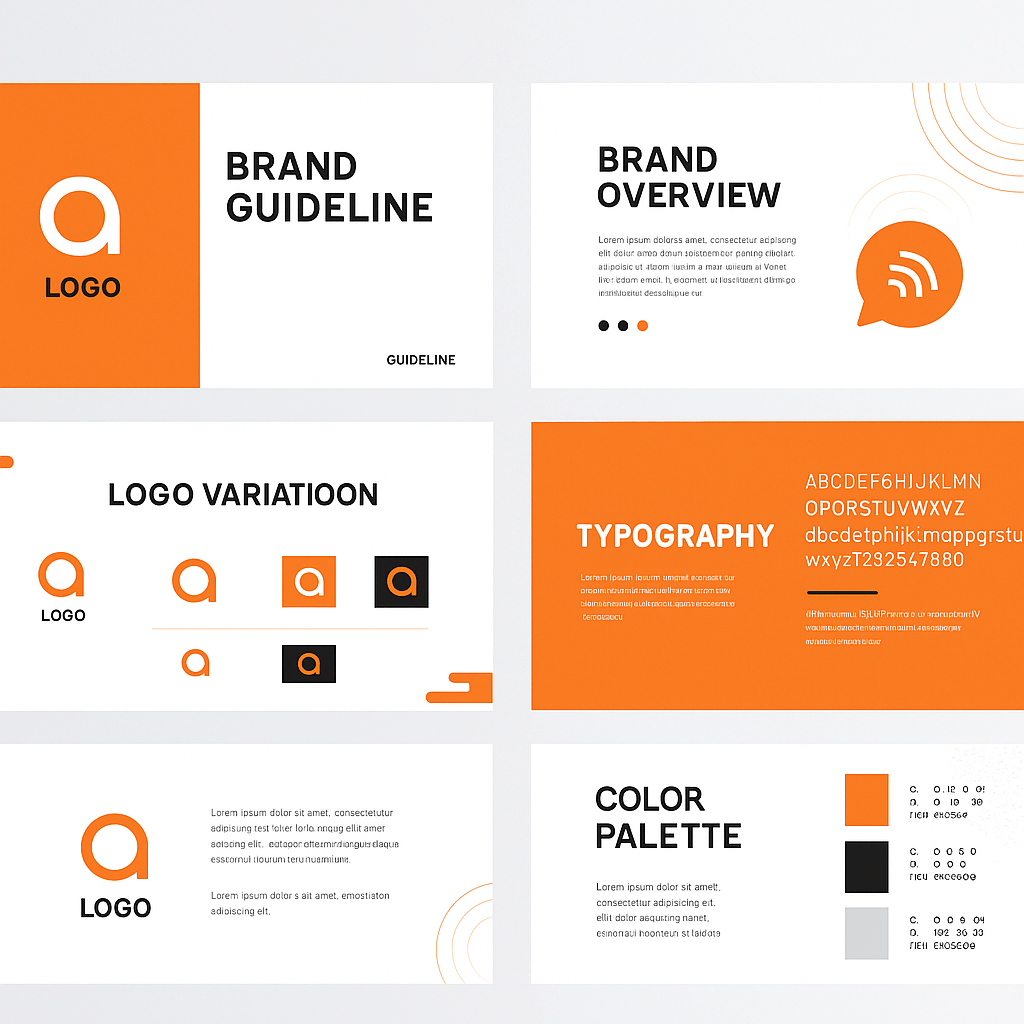
Brand Guideline For Startups and Marketers
Take your brand to the next level with this free brand guideline.
What's Inside?
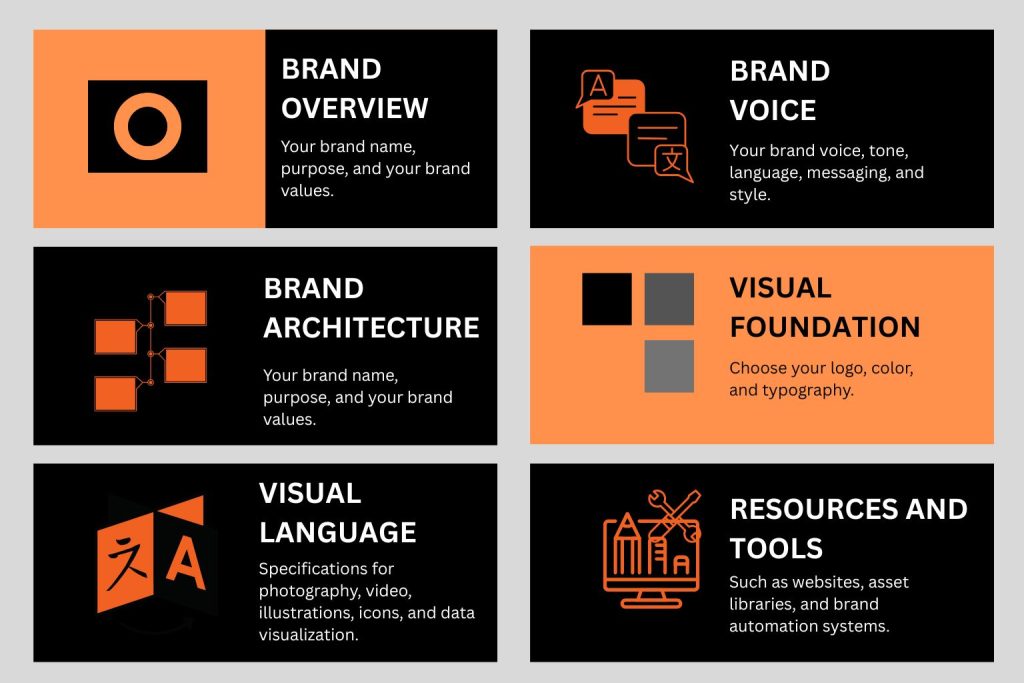
Easy-to-follow guides and instructions to create:
- Brand Overview
- Brand Voice
- Visual Foundations
- Brand Architecture
- Visual Language
- Resources and Tools
Why Do You Need a Brand Guideline?
Brand guidelines can help you ensure consistency and clarity across all aspects of your business.
They provide a framework that covers every aspect of branding, from logo usage to messaging and tone of voice. They help you create a cohesive brand identity that resonates with your target audience.
Our Content Team at Pandora Agency Ltd. put together this free downloadable brand guideline to help you create your streamlined style guide that spans through customer interactions to closing sales deals.
Who Can Use This?
This guide is created for startups, small businesses, freelancers, students, and individuals looking to create unique brands.
Brand Guideline Template Free Download
Download your copy
What Are Brand Guidelines?
Brand guidelines are the foundation of a recognizable, trustworthy, and scalable brand. Whether you are building a brand from scratch or refining an existing identity, brand guidelines provide the clarity and structure needed to ensure your brand is represented consistently across every touchpoint.
Often referred to as brand guides or style guides, brand guidelines document how your brand should look, sound, and behave. They help internal teams, external partners, and stakeholders understand how to apply brand assets correctly and how to communicate the brand’s values, personality, and promise to the market. When done well, brand guidelines become a strategic tool that protects brand equity and supports long-term growth.
This guide explains what brand guidelines are, what they should include, how to create them step by step, and how they contribute to business performance in a modern, digital-first environment.
Brand Guidelines vs Brand Style Guide
The terms “brand guidelines” and “brand style guide” are often used interchangeably, but they are not always identical. A brand style guide typically focuses on visual execution, such as logo usage, typography, color palettes, and layout rules. Brand guidelines, by contrast, are broader in scope.
Modern brand guidelines usually include a style guide as one component within a larger framework. In addition to visual rules, they cover brand strategy, messaging, tone of voice, governance, and usage policies. This expanded approach reflects the reality that brands today communicate across many platforms and formats, not just print or design assets.
Why Brand Guidelines Are More Than Logos and Colors
Reducing brand guidelines to logos and colors overlooks their strategic value. While visual consistency is important, true brand consistency is about behavior, communication, and experience.
Strong brand guidelines help ensure that every interaction with the brand feels intentional and cohesive. They guide how customer service teams respond to inquiries, how marketers craft campaigns, how designers create visuals, and how partners represent the brand externally. Without clear guidelines, brands risk fragmentation, mixed messages, and a diluted identity.
Why Brand Guidelines Matter for Business Growth
Brand guidelines are not just a branding exercise; they are a business asset. Consistency in branding has a direct impact on how a brand is perceived and how effectively it performs in the market.
Brand Consistency and Customer Trust
Customers are more likely to trust brands that appear consistent and professional. When visuals, messaging, and tone vary from one touchpoint to another, it creates uncertainty and weakens credibility. Brand guidelines help prevent this by establishing clear standards that ensure the brand always shows up in a familiar and recognizable way.
Over time, this consistency reinforces brand recognition and strengthens emotional connections with the audience.
How Brand Guidelines Improve Marketing Efficiency
Without brand guidelines, teams often waste time debating subjective design and copy decisions or correcting inconsistencies after the fact. Clear guidelines eliminate guesswork by providing predefined rules and examples.
As a result, teams can work faster, collaborate more effectively, and produce content with fewer revisions. This efficiency becomes especially important as organizations scale and content production increases.
The Financial Impact of Strong Brand Guidelines
Strong brands tend to outperform weaker ones because they are easier to recognize, remember, and trust. Brand guidelines protect brand equity by ensuring that every interaction reinforces the same identity. Over time, this consistency can contribute to higher conversion rates, stronger customer loyalty, and improved long-term value.
What Should Brand Guidelines Include?
Effective brand guidelines balance clarity with usability. They should be comprehensive enough to cover all key brand elements, while remaining easy to understand and apply.
Brand Strategy Foundations
Every brand guideline document should begin with strategy. This section explains why the brand exists and what it aims to achieve. It typically includes the brand’s mission, vision, values, positioning, and personality.
These elements provide context for all visual and verbal decisions that follow. When teams understand the strategic foundation of the brand, they are better equipped to apply guidelines thoughtfully rather than mechanically.
Visual Identity Guidelines
Visual identity guidelines define how the brand looks across all applications. This includes logo usage rules, color palettes, typography systems, imagery styles, and layout principles.
Clear explanations and visual examples help ensure that logos are used correctly, colors are applied consistently, and typography reinforces the brand’s personality. Well-documented visual rules prevent misuse and maintain a cohesive aesthetic across platforms and formats.
Brand Voice and Messaging Guidelines
Brand voice guidelines explain how the brand communicates. They define the tone, language, and writing style that best represent the brand’s personality.
This section often includes examples of on-brand and off-brand messaging, tone variations for different contexts, and guidance on vocabulary and grammar. Clear voice guidelines are especially important for maintaining consistency across marketing, customer support, and digital content.
Digital and Social Media Brand Guidelines
Modern brand guidelines must account for digital-first communication. This includes rules for websites, social media, video, email marketing, and digital advertising.
By defining how visuals and messaging should adapt across platforms, brands can remain consistent while still respecting the unique requirements of each channel.
Brand Governance and Usage Rules
Governance ensures that brand guidelines are followed and remain relevant. This section defines who owns the brand, how assets are approved, and how updates are managed.
Strong governance transforms brand guidelines from a static document into a living system that evolves with the organization.
Need a brand guideline structure you can actually use?
Download the free brand guidelines template
Or get expert help creating brand guidelines tailored to your business
How to Create Brand Guidelines Step by Step
Creating effective brand guidelines is a structured process that combines strategy, design, and documentation.
Step 1: Conduct a Brand Audit
A brand audit involves reviewing existing assets and communications to identify inconsistencies and strengths. This provides a clear starting point and helps prioritize what needs to be clarified or improved.
Step 2: Define Your Brand Strategy
Before documenting rules, it’s essential to align stakeholders around the brand’s purpose, positioning, and personality. Strategy informs every decision that follows.
Step 3: Design Your Visual Identity System
With strategy in place, visual elements such as logos, colors, and typography can be refined or created. These elements should reflect the brand’s personality and values.
Step 4: Establish Brand Voice and Messaging
Defining how the brand sounds is just as important as how it looks. This step ensures that communication feels consistent and intentional across contexts.
Step 5: Document Brand Rules Clearly
Clarity is critical. Guidelines should be written in plain language, supported by examples, and organized logically so that users can find what they need quickly.
Step 6: Choose the Right Brand Guideline Tools
Decide how the guidelines will be shared and maintained. Digital brand hubs often provide greater flexibility and accessibility than static documents.
Step 7: Launch, Train, and Enforce
Introducing the guidelines to teams and providing training ensures adoption. Ongoing reinforcement helps embed the brand system into daily workflows.
Struggling to turn brand strategy into usable guidelines?
Talk to a branding expert about building brand guidelines that scale
Brand Guidelines Examples from Successful Brands
Many leading brands provide publicly available guidelines that demonstrate best practices. Brands like Apple, Nike, Airbnb, and Spotify each approach brand guidelines differently, but all emphasize clarity, consistency, and alignment with core values.
Studying these examples highlights the importance of balancing structure with flexibility, especially in dynamic digital environments.
Common Brand Guideline Mistakes to Avoid
One common mistake is creating overly restrictive guidelines that limit creativity. Another is failing to enforce guidelines consistently, which undermines their effectiveness. Ignoring digital channels or neglecting to update guidelines as the brand evolves can also reduce their value.
Effective brand guidelines strike a balance between control and adaptability.
Tools and Software for Creating Brand Guidelines
Many organizations now use digital platforms to manage brand guidelines. These tools make it easier to update guidelines, share assets, and collaborate across teams. Design and collaboration tools also play an important role in maintaining accessibility and version control.
How Brand Guidelines Improve Team Alignment and Scalability
Clear brand guidelines help teams work together more effectively. They simplify onboarding, reduce confusion, and enable faster content creation. For organizations operating across regions or markets, guidelines support localization without sacrificing consistency.
Brand Guidelines in the Age of AI and Automation
As AI-generated content becomes more common, brand guidelines play an increasingly important role in maintaining consistency. Clear voice and tone rules can be used to guide AI tools and reduce the risk of off-brand outputs.
Governance guidelines also help manage brand safety in automated workflows.
How Often Should You Update Brand Guidelines?
Brand guidelines should evolve alongside the brand. Updates may be needed after rebrands, expansions, or shifts in strategy. Regular reviews help ensure guidelines remain accurate and useful.
Have You Downloaded Our Free Personal Branding Guide?
You’re missing out if you haven’t! Stand Out, Get ahead is a quarterly publication created to guide C-suit executives, entrepreneurs, and freelancers through the essentials of personal branding, revealing how to create a distinct and impactful presence.